How Episode 01 was made,
in five movements.
Episode 01 went through five stages, from the first pencil sketch to the finished show. Each seam on this page, the transition from one stage to the next, acts out the stage it opens. I designed the seams as part of the work. Every image comes from How to Human production files.
Jump to the finished episodes→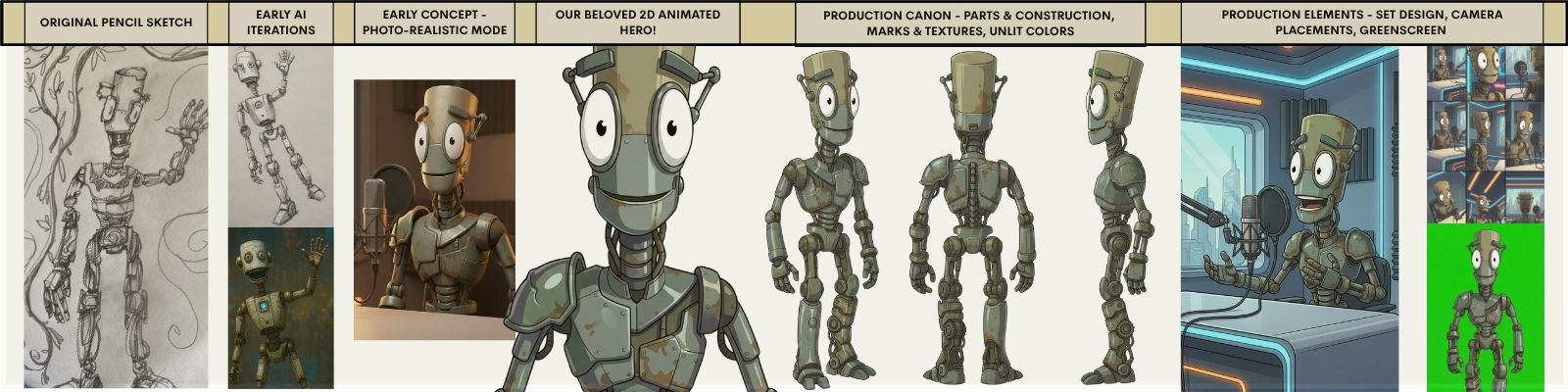 Awaiting m1-strip.jpg · 4:1
 Awaiting m1-plate.jpg · 3:4
 Awaiting m1-spec-01.png
 Awaiting m1-spec-02.png
Character design
and background
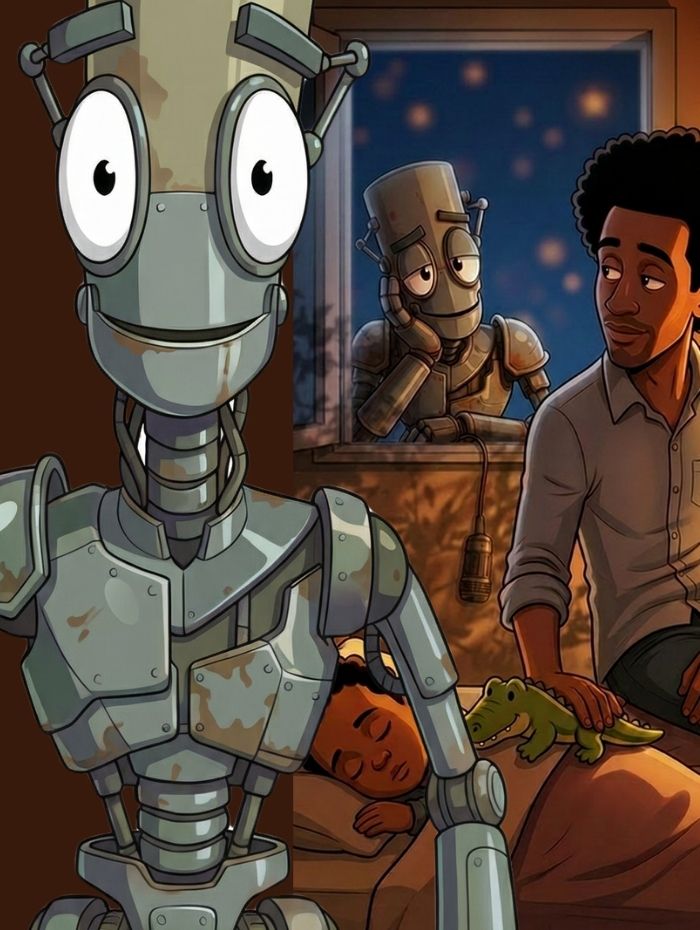
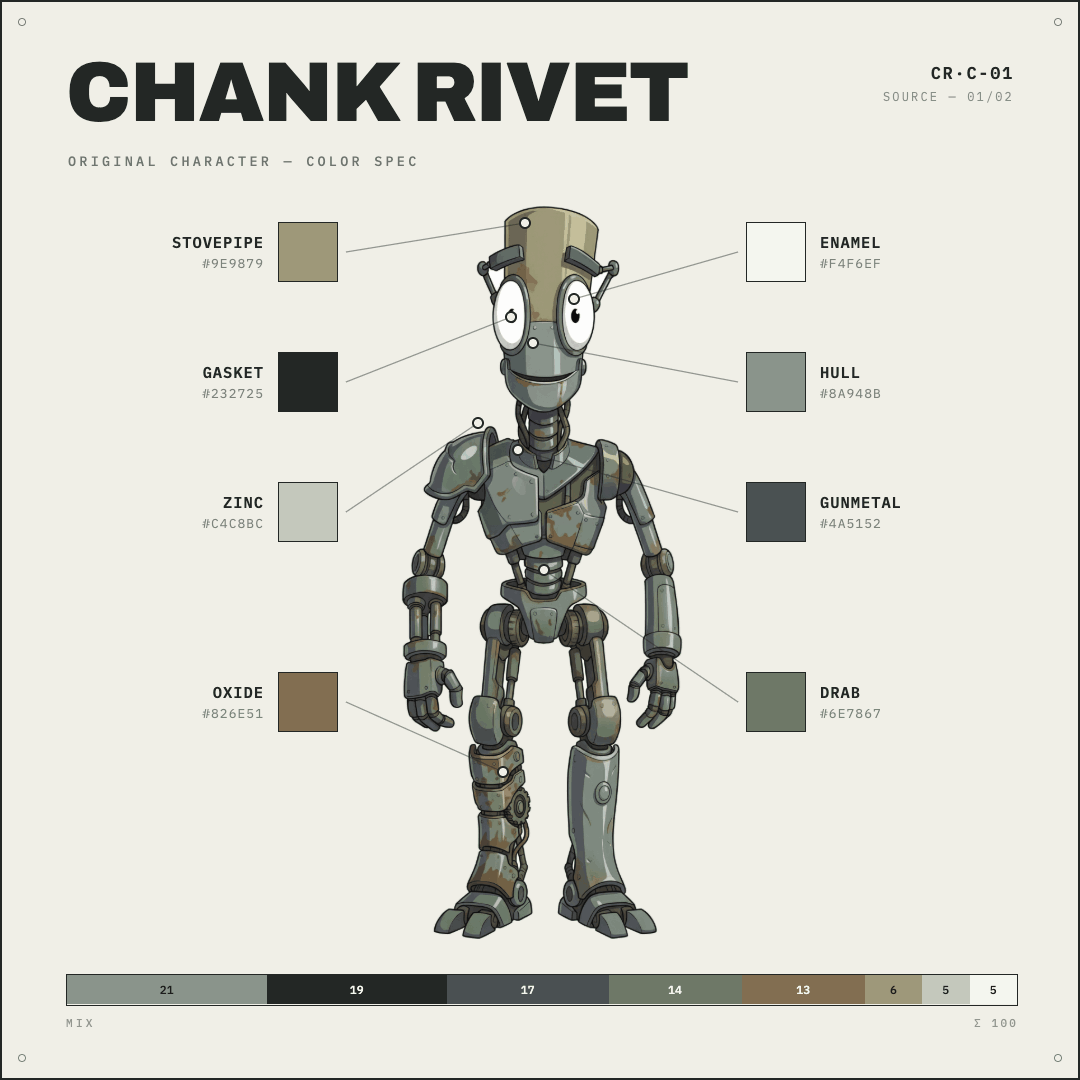
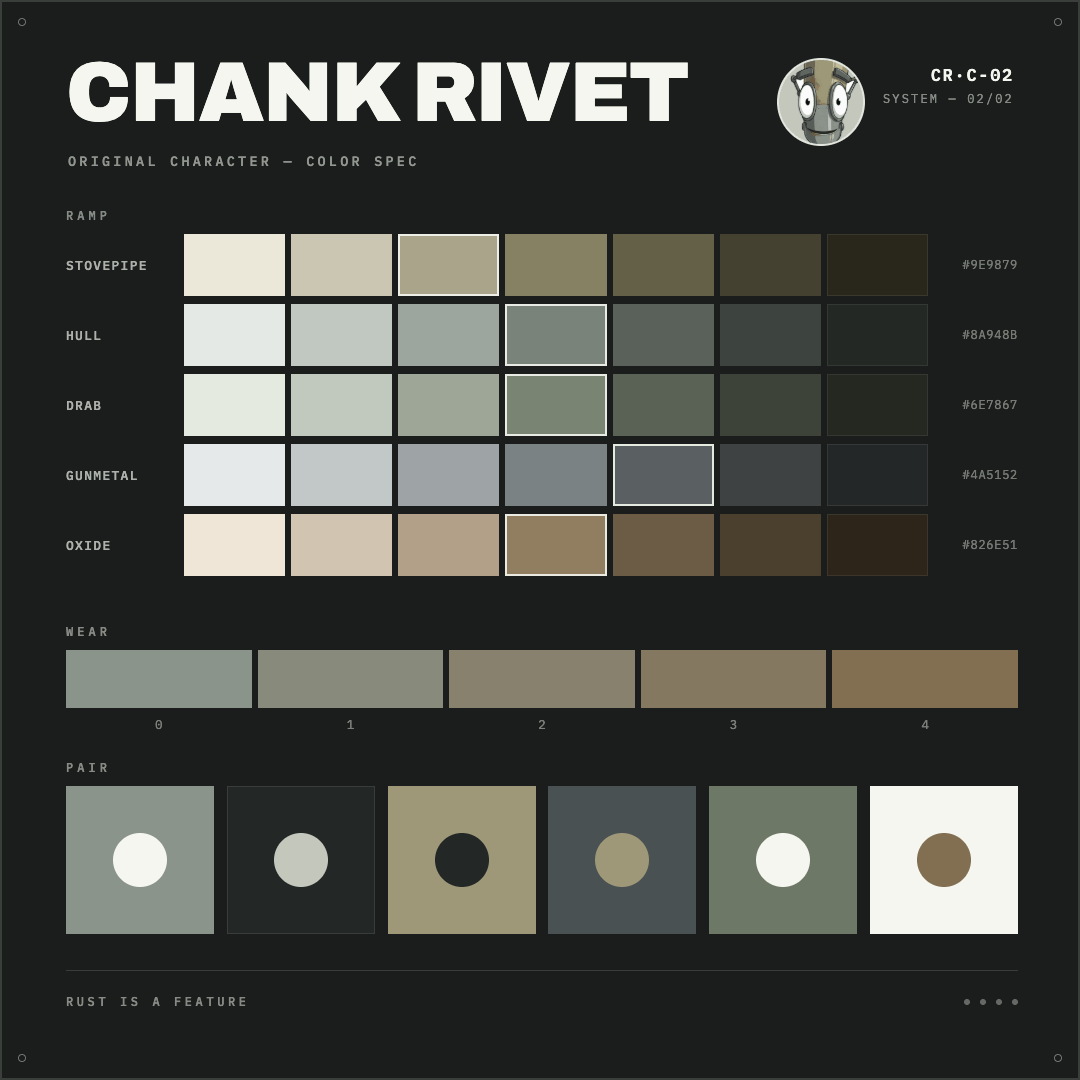
Chank Rivet started as a pencil drawing. The strip above shows the whole design record, from sketches and AI passes to the turnaround that became the official model. Two specification sheets name his colors and his rust, so every tool renders the same robot. The bedtime scene shows Chank on model inside a finished frame.
Jump to the finished episodes→The writing comes first. Each script runs four panels and moves through a hook, a misreading, and the Turn, where Chank’s bafflement lands on something true. The script page sets everything that follows, down to the shot notes and the beats I can cut. These frames from Episode 02 began as sentences on that script page.
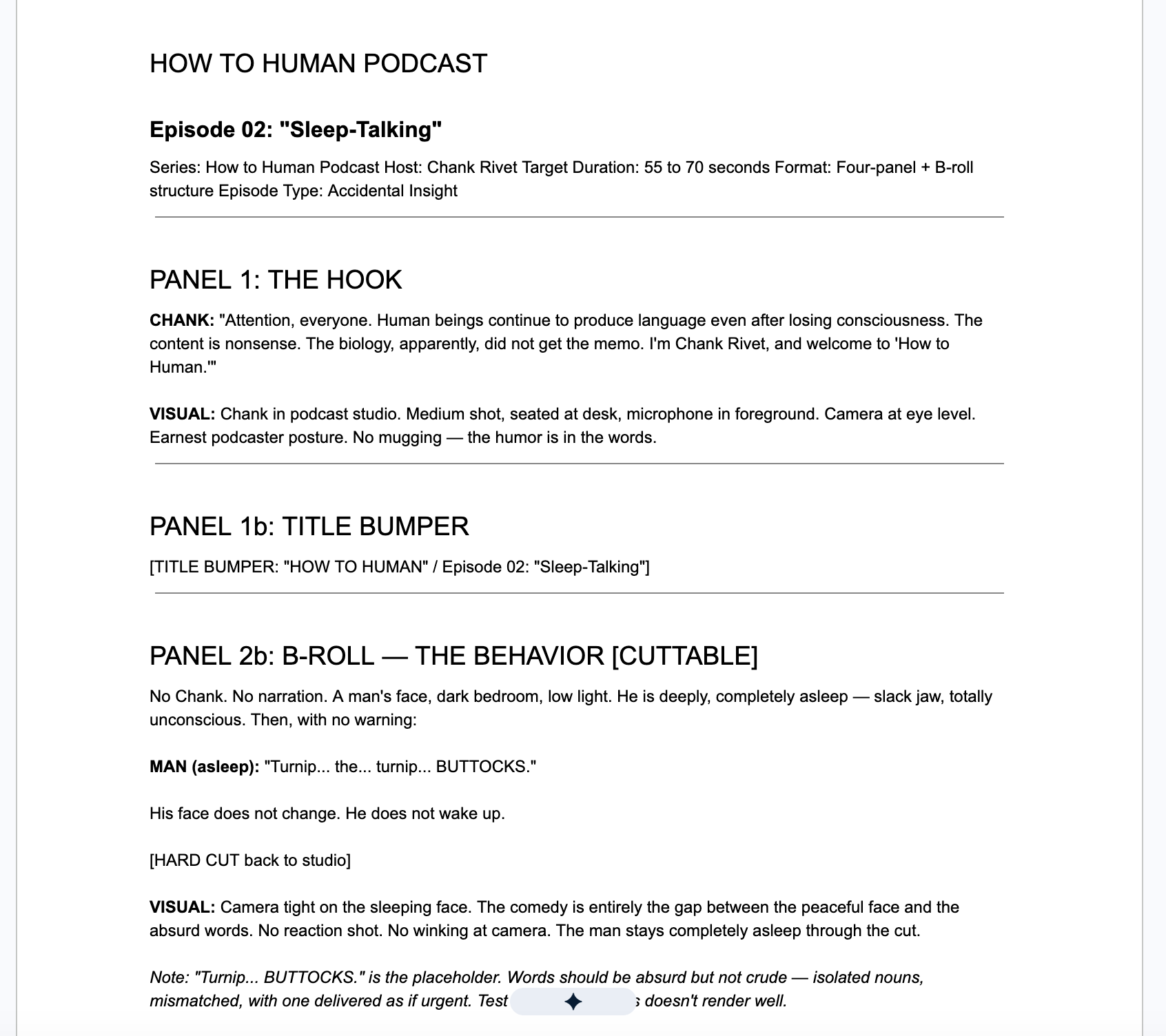 Awaiting m2-script.png
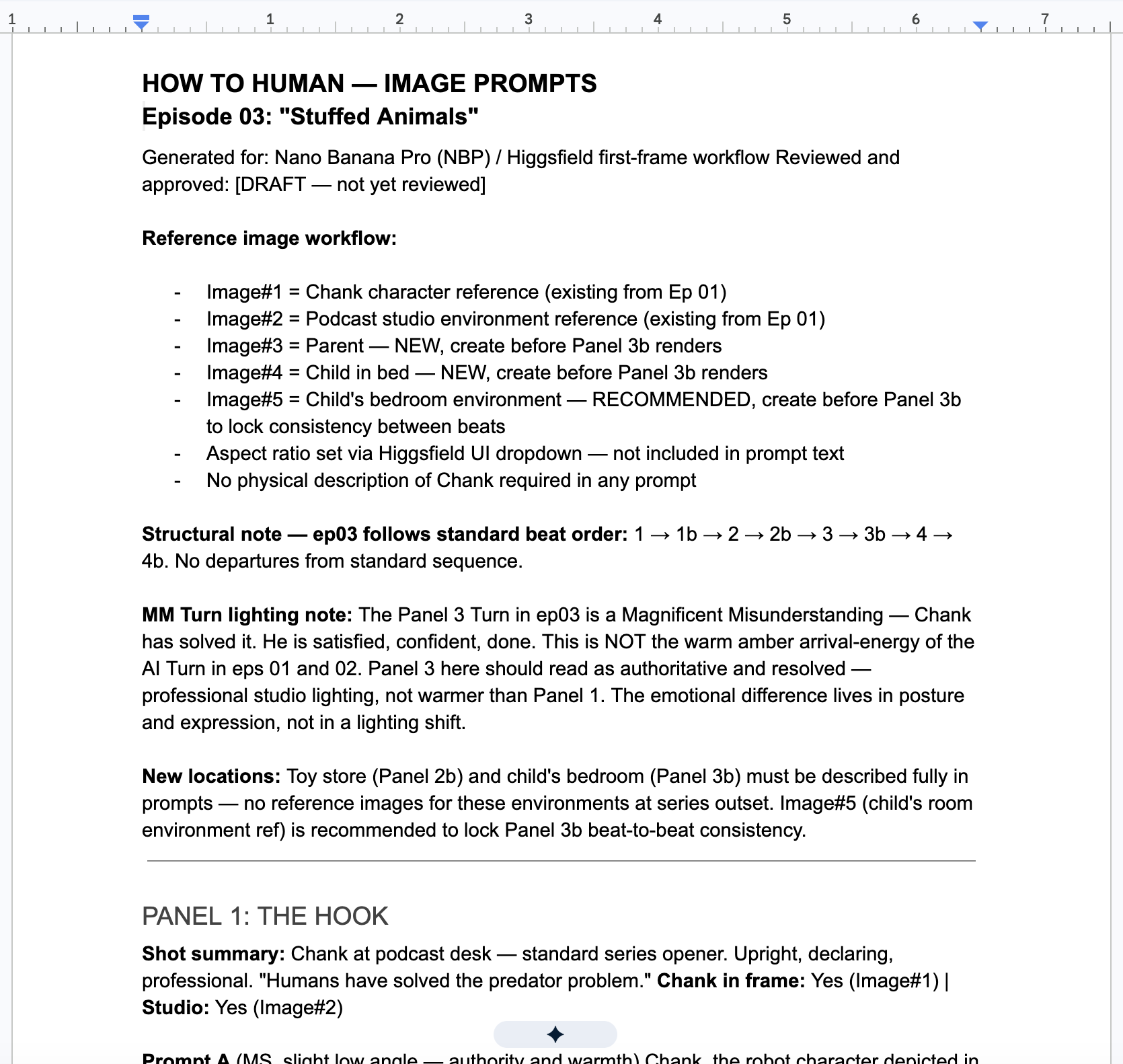 Awaiting m2-notes.png
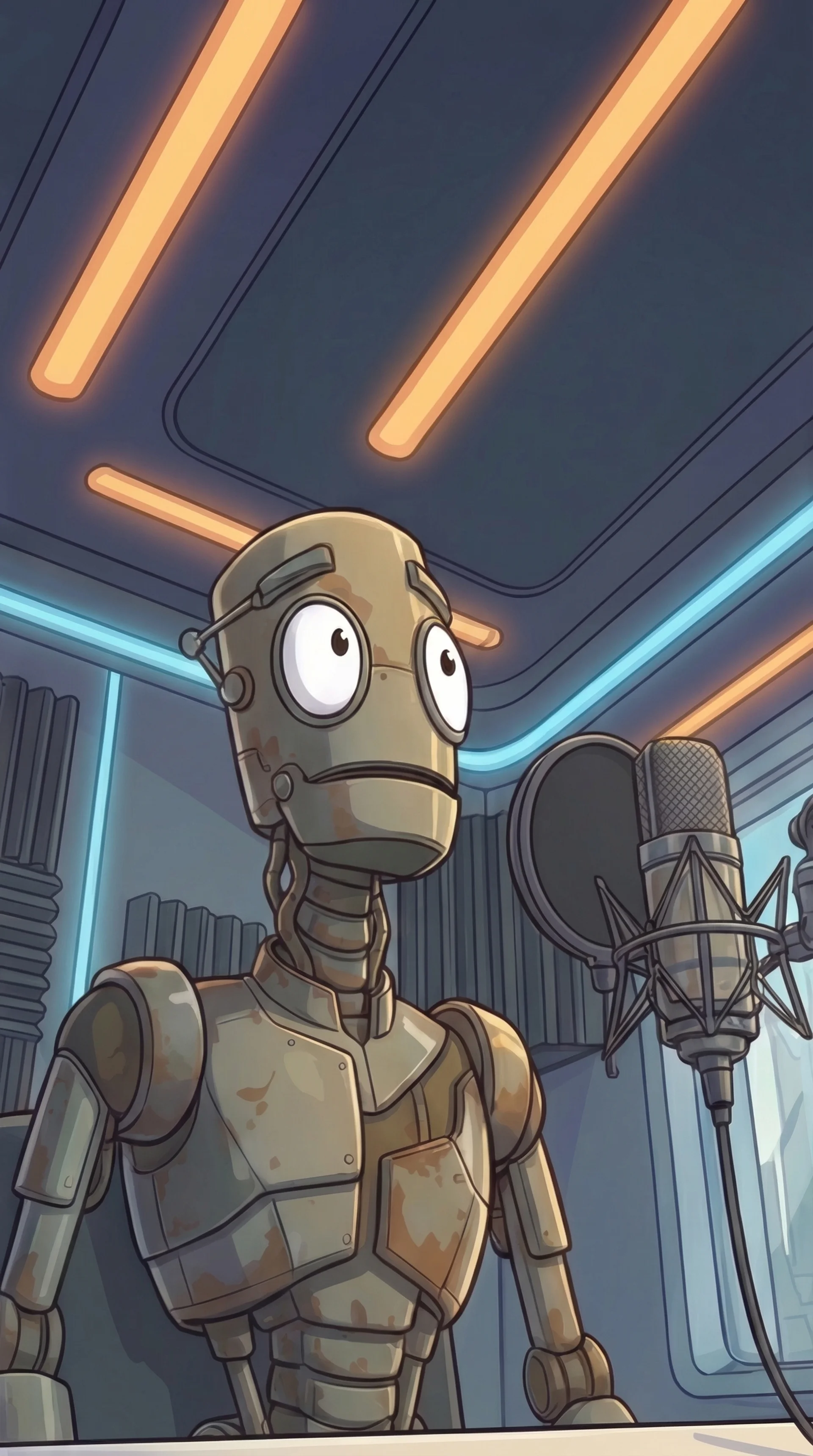 Awaiting m2-still-1.webp
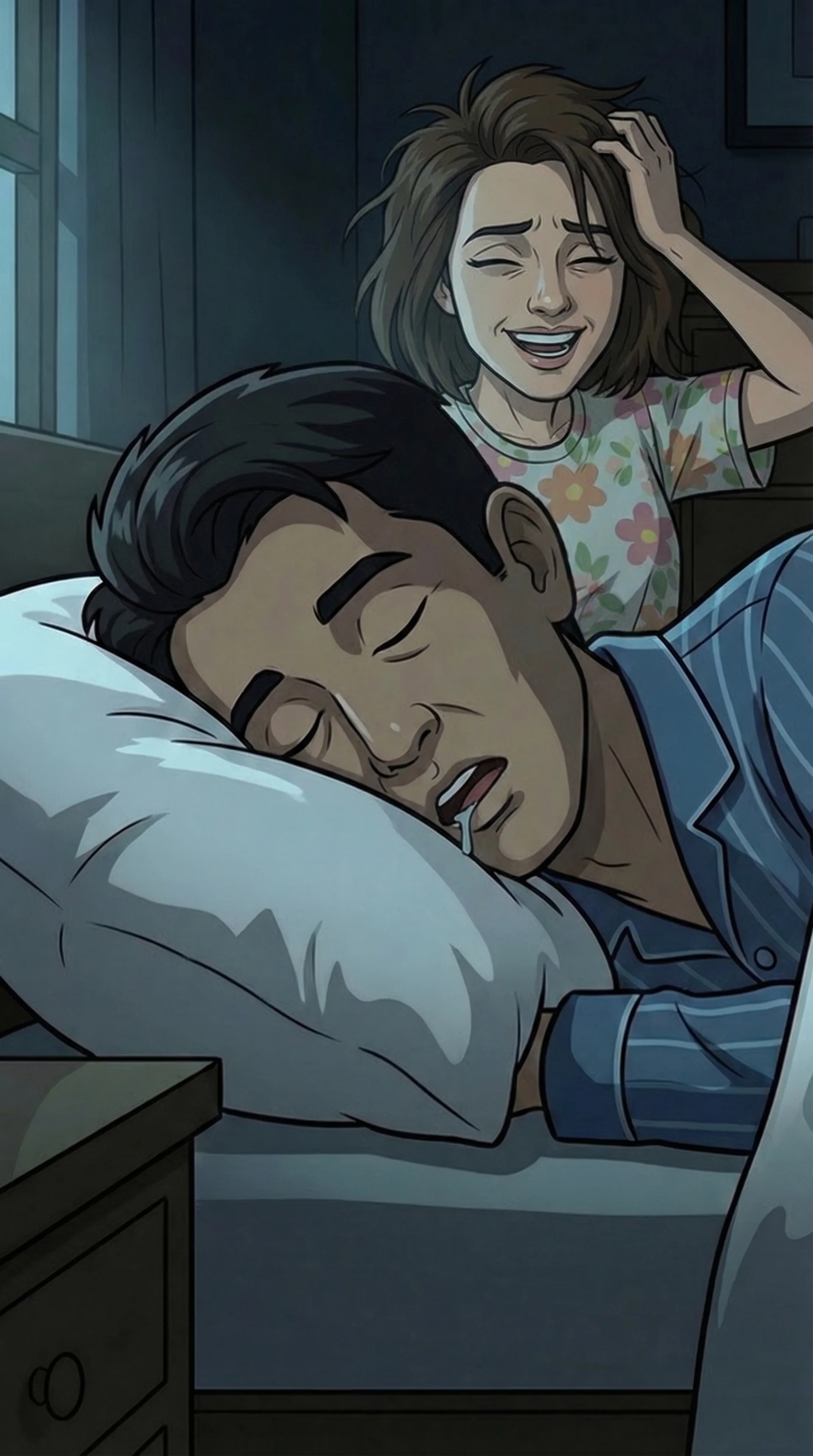 Awaiting m2-still-2.webp
Iteration is where the directing happens. I generate each beat as a roll of takes, and most of them are wrong in useful ways: an eyeline, a silhouette, a gesture pushed too far. Twelve expressions and nine camera studies give me a range of options before I commit to one. From the toy store scene, one frame became the keeper, and it sits here beside the takes it beat.
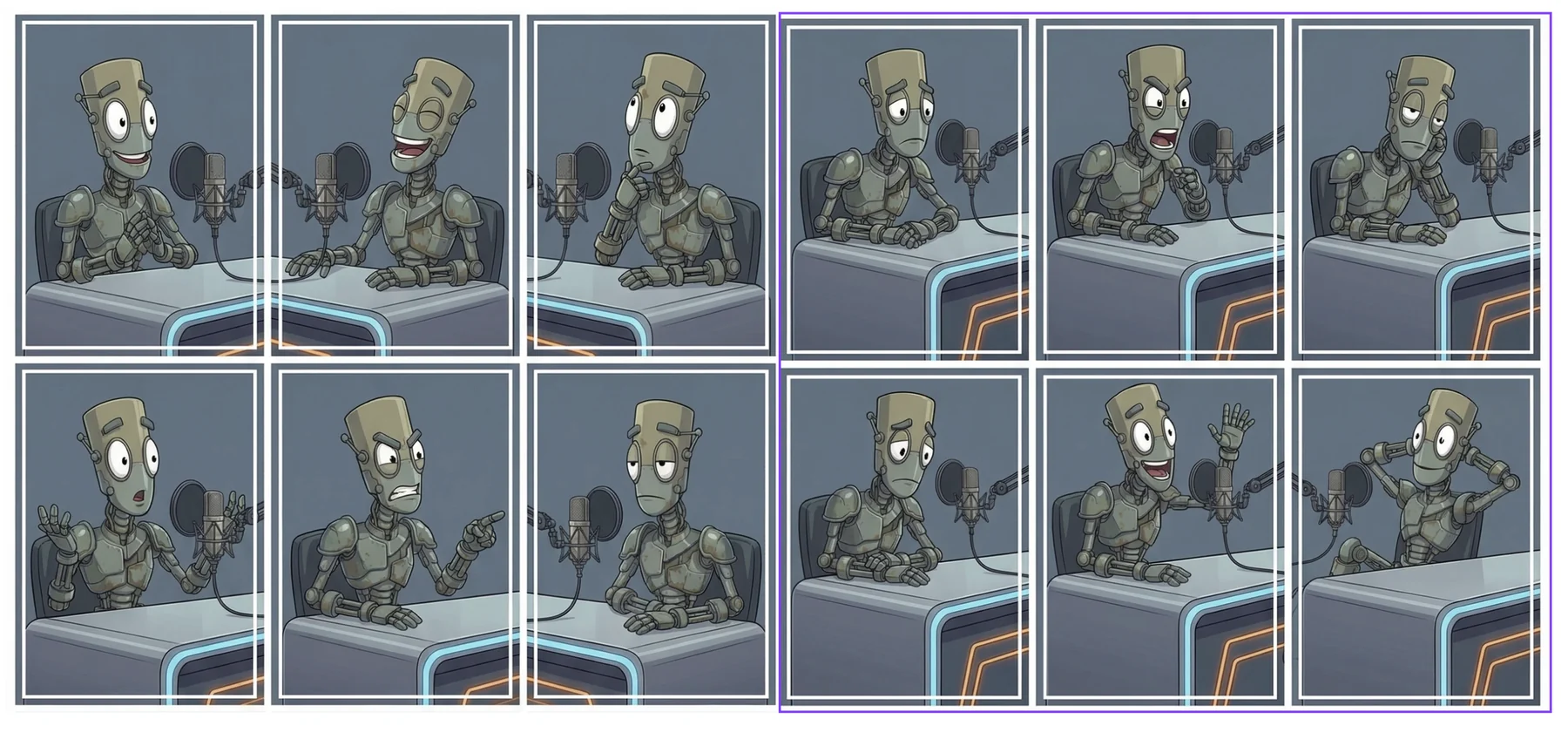 Awaiting m3-expressions.webp · 2:1
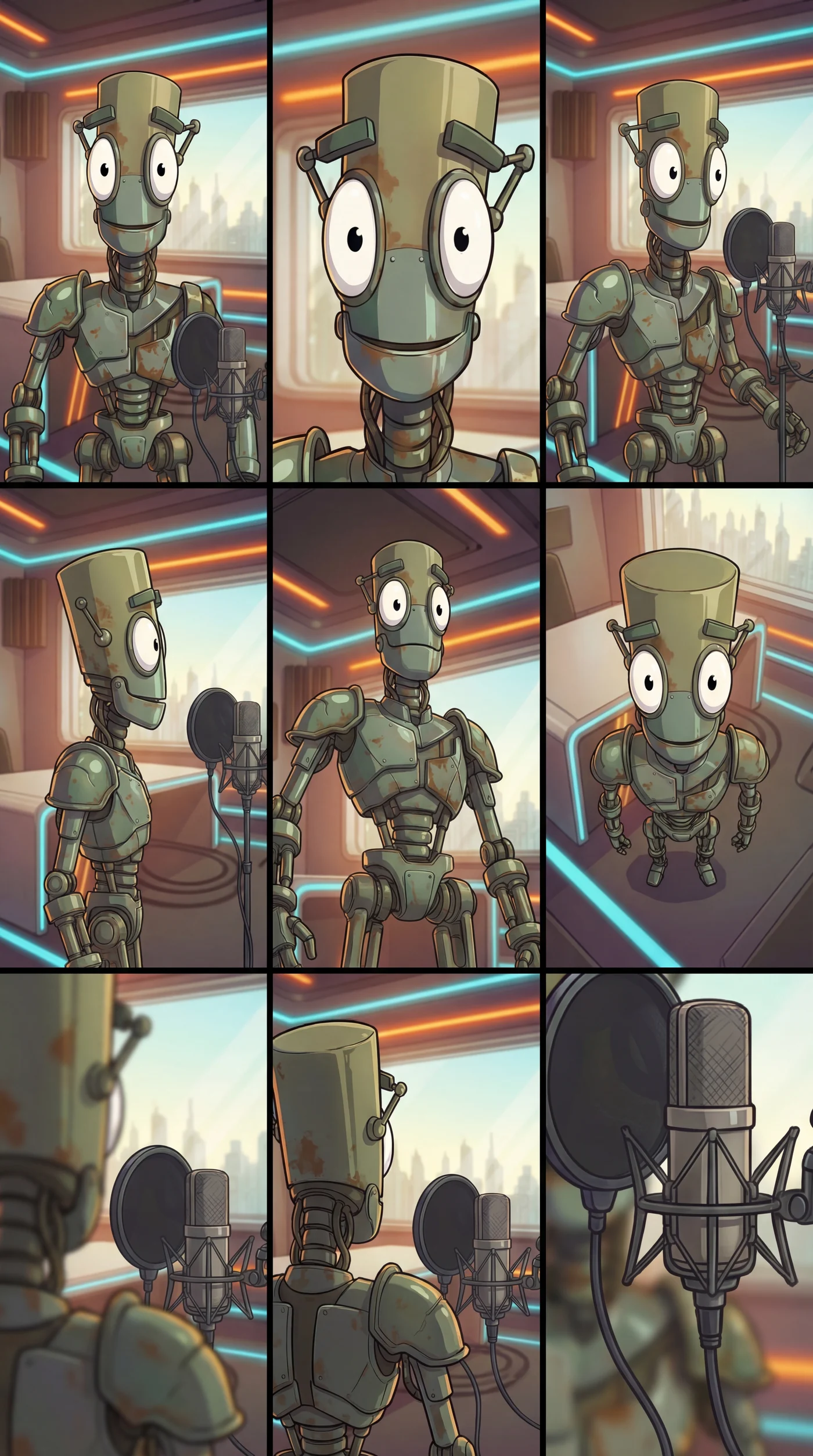 Awaiting m3-poses.webp · 9:16 sheet
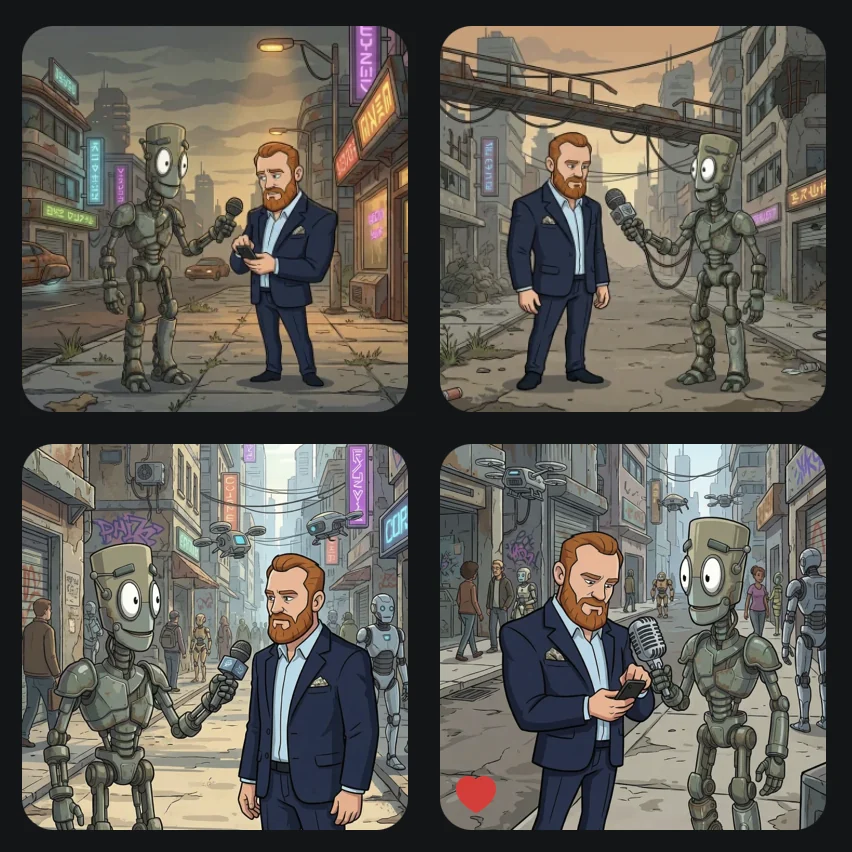 Awaiting m3-takes-01.webp · 1:1
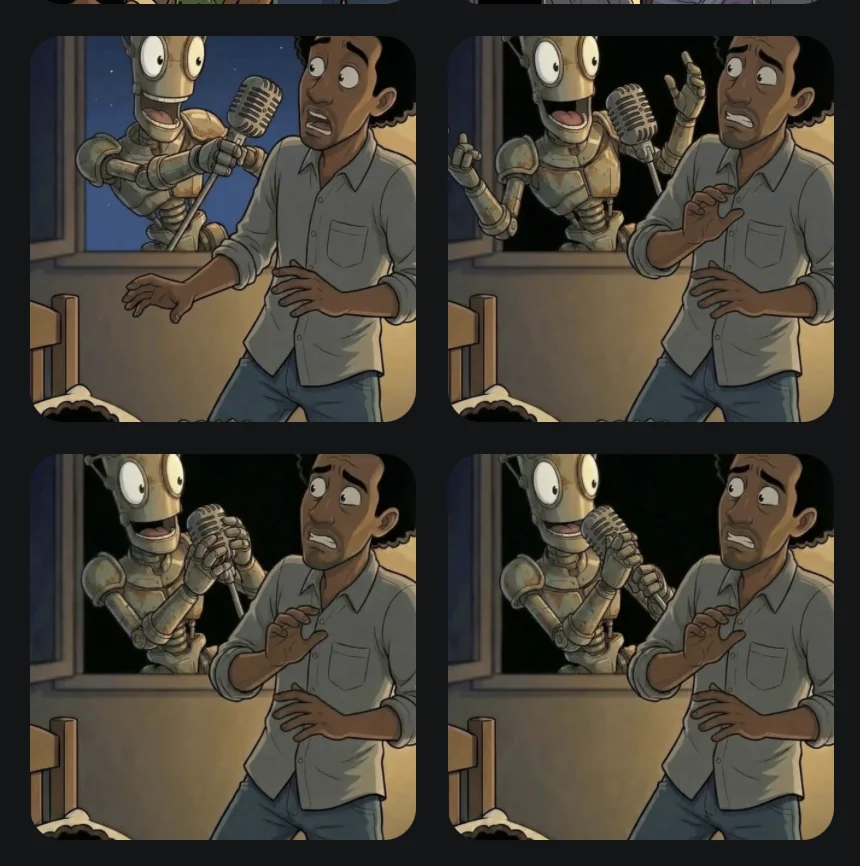 Awaiting m3-takes-02.webp · 1:1
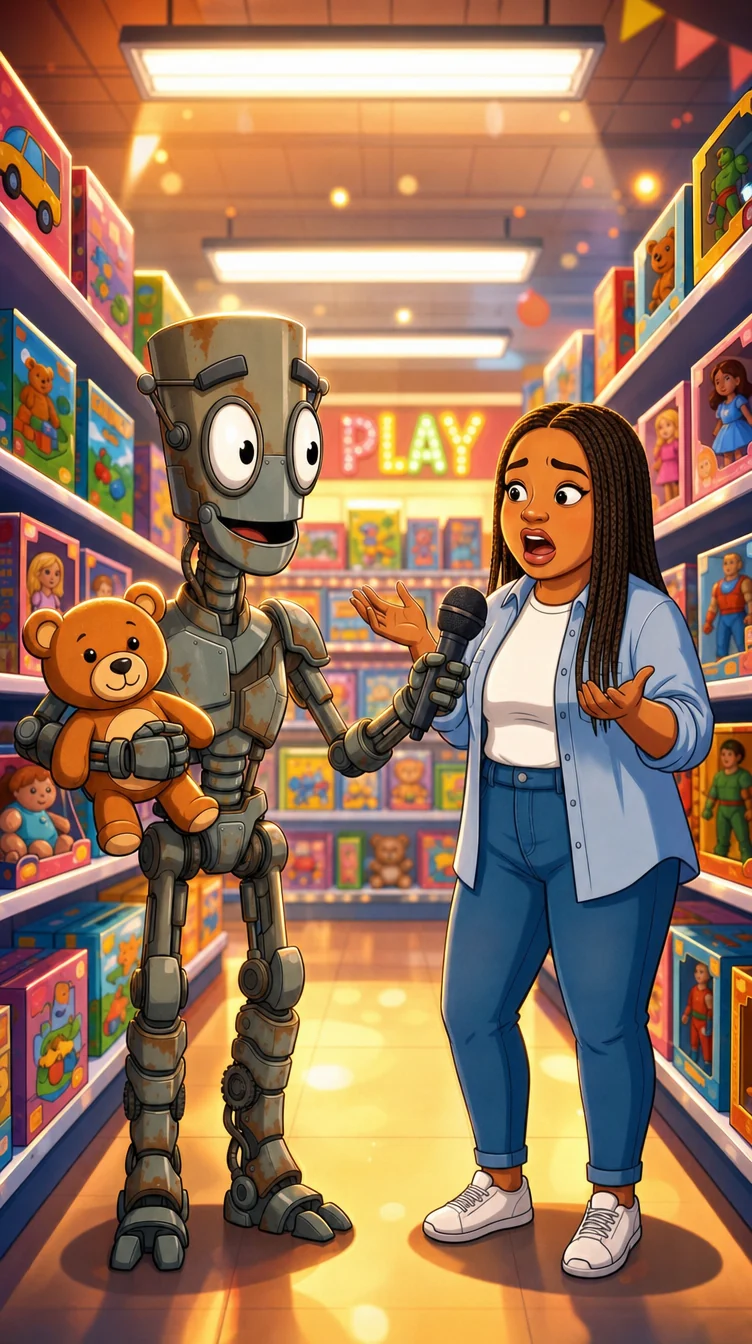 Awaiting m3-keeper.webp · 9:16
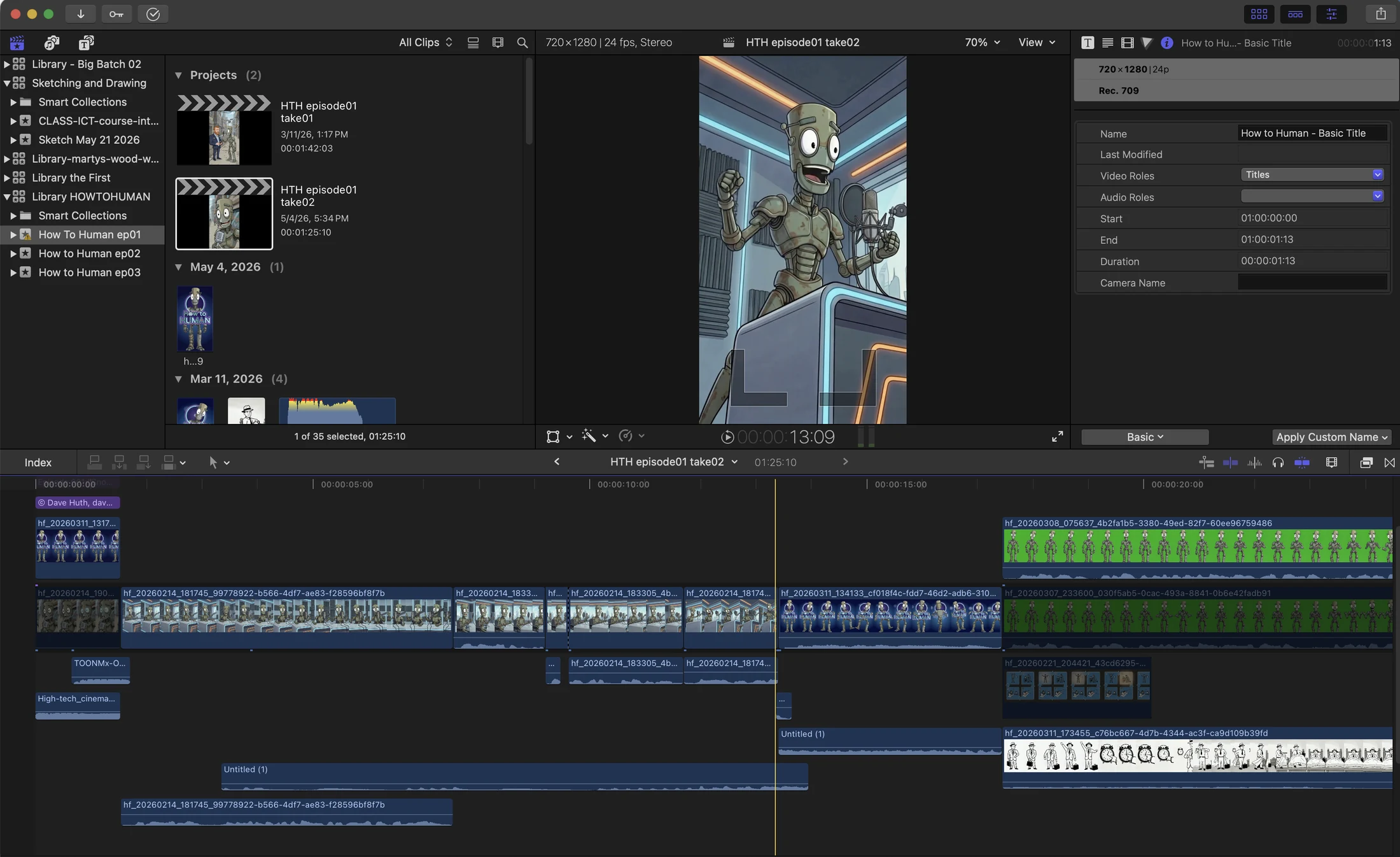 Awaiting m4-editor.webp · 1.6:1
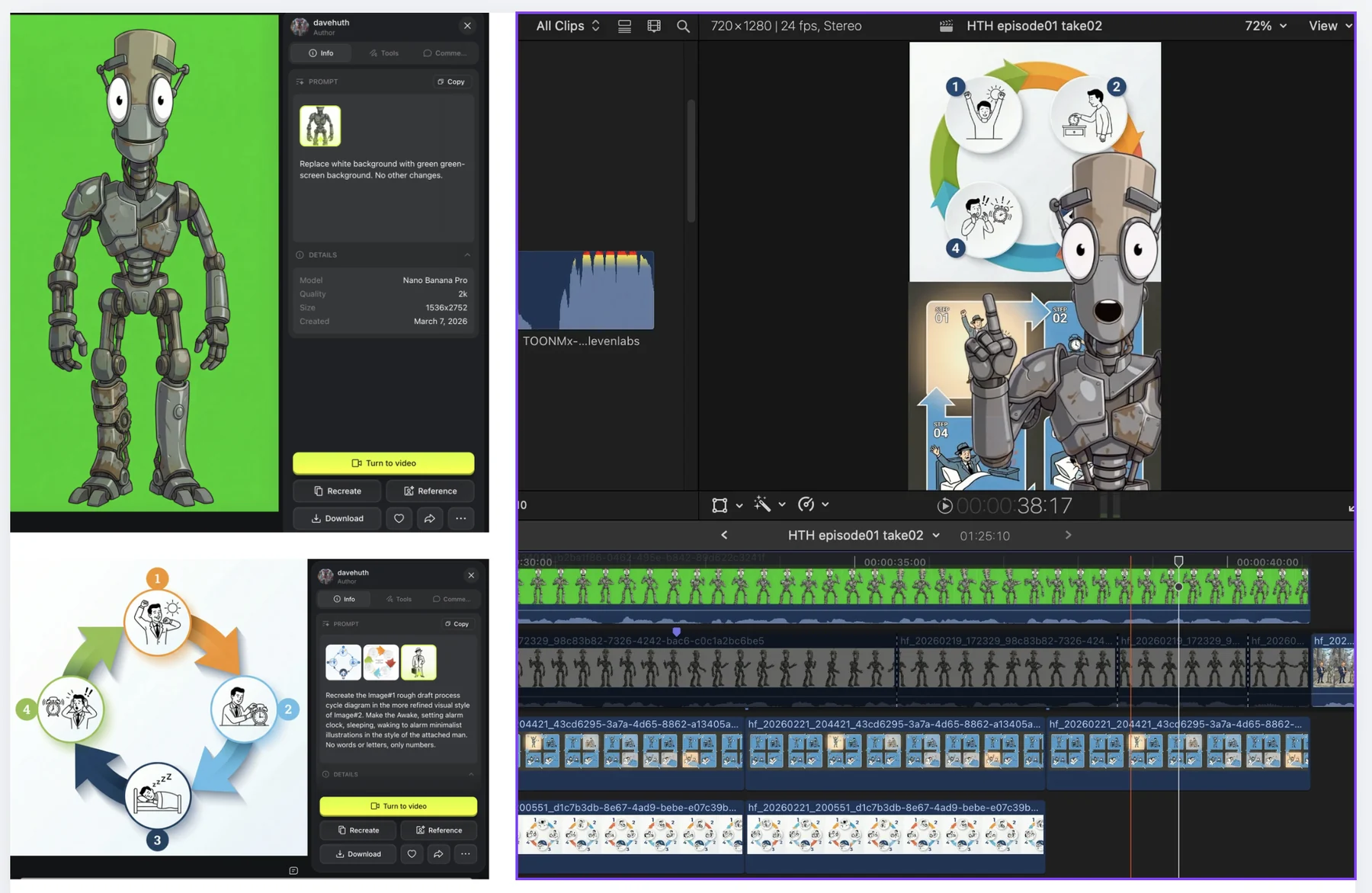 Awaiting m4-composite.webp · 3:2
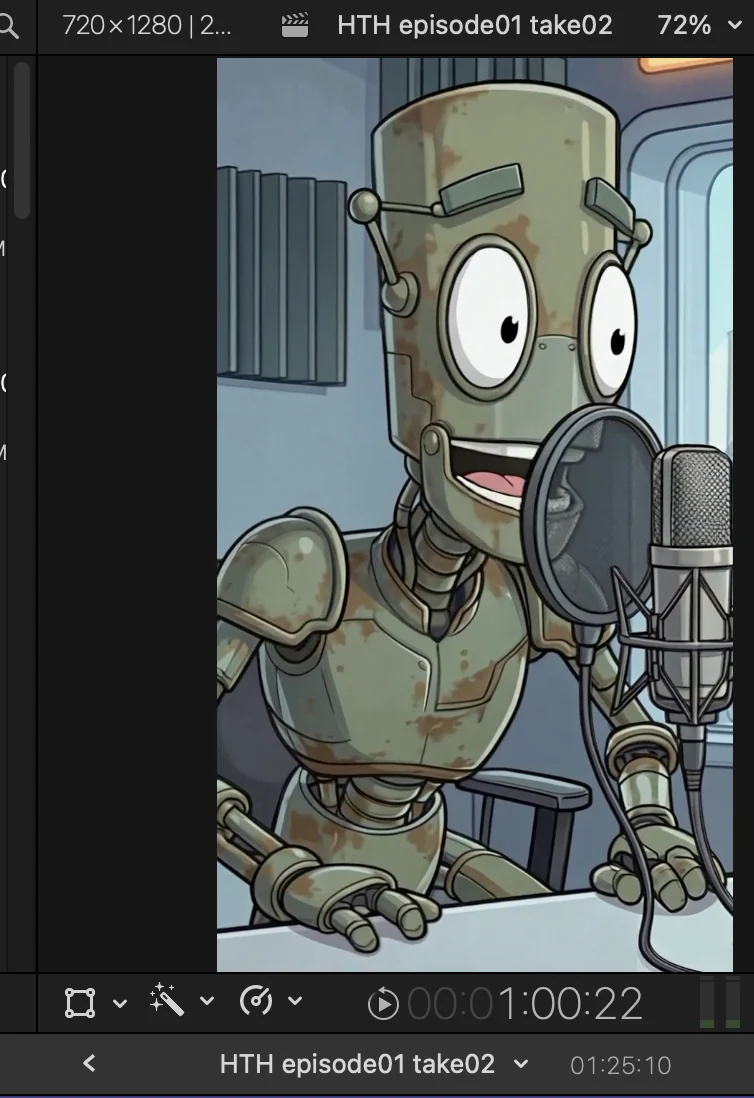 Awaiting m4-beat-01.webp · 2:3
 Awaiting m4-beat-02.webp · 2:3
 Awaiting m4-beat-03.webp · 2:3
Assembly cut
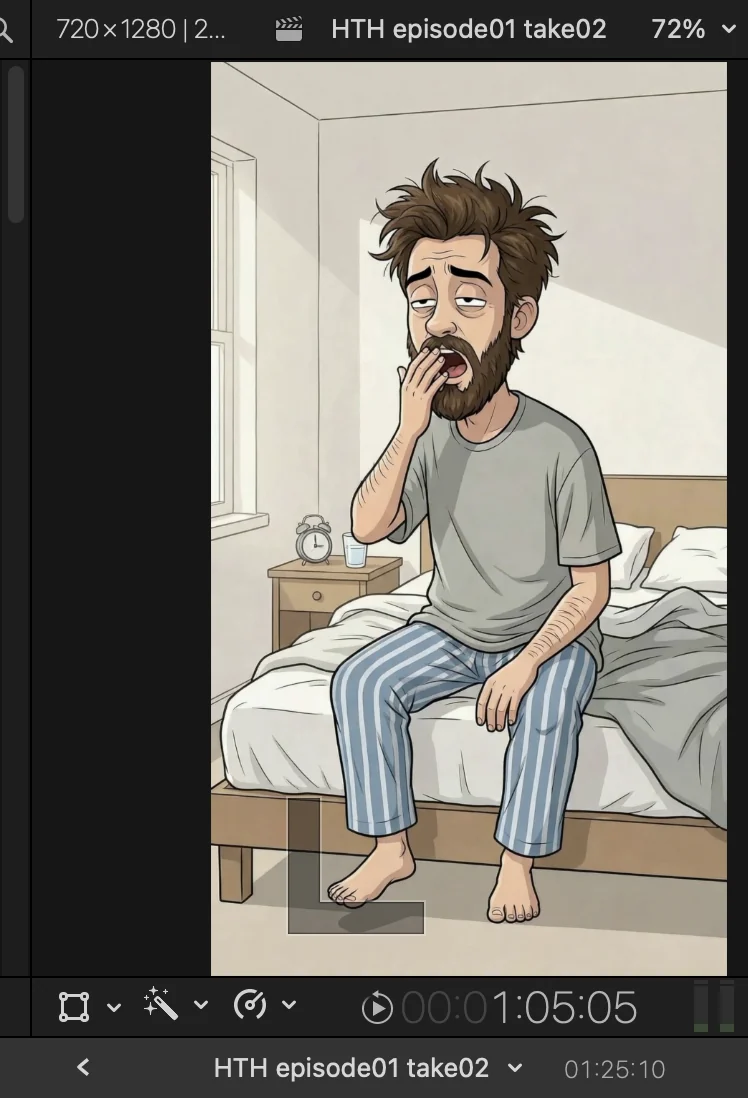
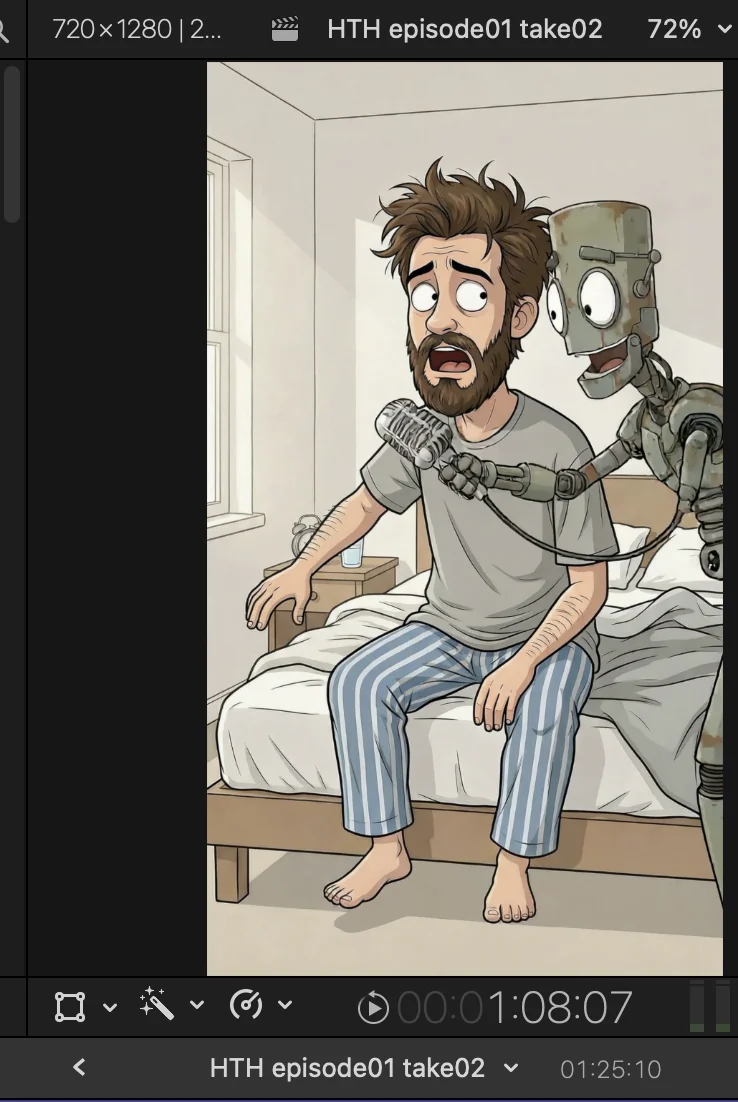
In the edit, dozens of generated clips, green-screen pulls, and voice tracks come together on one timeline in Final Cut Pro. I build the composites the same way I make the frames, with a written instruction first and a check of the result after. The frames along the bottom show one sequence: setup, cutaway, and payoff. I learned that timing from newspaper comic strips.
Jump to the finished episodes→Episode 01 runs eighty-five seconds. Every frame in it passed through the four stages before this one (design, writing, iteration, and the edit). This is the part the audience sees, and the only part they should have to think about. Episodes 02 and 03 play beside it, made with the same process.
Final show
This stage stays dark in day and night modes, the way a theater stays dark for the show.
Back to the studio→